ABOUT HOW TREATPATH WAS BUILT

Built in a practice, not a boardroom.

How TreatPath was made, who shaped it, and what we believe about software that sits between a doctor and a patient.

01 THE PROBLEM

It started with a spreadsheet nobody signed.

Every dental practice has the same document: the treatment plan printout. A grid of procedure codes, clinical abbreviations, and a total at the bottom. It is accurate, complete — and nearly unreadable to the person whose mouth it describes. Patients respond the way anyone responds to a confusing document with a large number on it: "I'll think about it."

TreatPath began at Coastal Dental Arts in San Diego — a father's practice, a son who builds software — as an attempt to fix that one moment. Not the dentistry, not the diagnosis, just the conversation: what if the same plan were presented as a choice between clear paths, in language the patient understands, on a screen they can hold?

The plan didn't change. The way we present it did — and patients finally ask questions instead of asking for time to think.
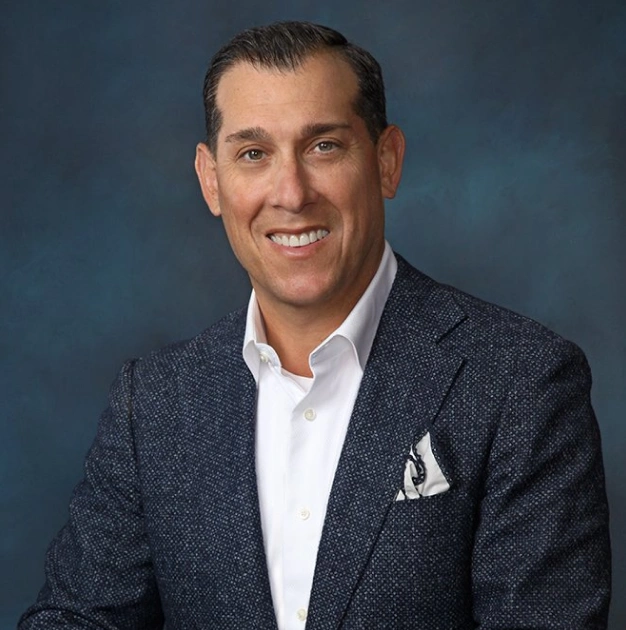
Dr. David Chotiner, DDS · Coastal Dental Arts
02 HOW IT WAS BUILT

Built chairside, with the whole team.

TreatPath wasn't designed in mockups and handed to a practice. It was built inside one — shaped by the people who actually touch a treatment plan on its way to a patient. The doctor, yes. But just as much the front-office staff who build and send plans between phone calls, and the treatment coordinators who sit with patients while they decide.

That changed the software — you can trace team members' fingerprints on specific features, a few of which are on the right.

Our working rule is simple: if a feature needs a training manual, we rebuild the feature. Staff at our beta practice learn TreatPath between patients, not in a seminar — that's the test, and it gets applied to every release.

Asked for by the front deskCapture from screenNobody should retype what the practice software already knows. One capture, and the plan is read in seconds.
Asked for by treatment coordinatorsA review screen shaped like the patient'sCoordinators kept translating between two layouts — so now staff review the plan in the same three-path shape the patient sees.
Born from "it didn't work"The pre-send checklist"It didn't work" usually meant one missing field. The checklist names exactly what's left, and takes you to it.
Because 8am is realInstant PIN recoveryA locked-out front desk before the first patient is not a hypothetical. Admins reset a forgotten PIN in seconds.
03 WHAT WE BELIEVE

Not slogans — design decisions.

Software that sits between a doctor and a patient carries responsibility in both directions. Each of these is a decision you can find in the product.

It organizes and translates. It never prescribes.

The tiers are built from the doctor's own diagnosis — the software has no opinion about what treatment a patient needs, and no incentive logic that favors bigger cases.

Patients see honest math.

Real insurance amounts where the plan provides them, the pre-insurance price shown struck through rather than hidden, monthly financing labeled with the practice's actual terms. No number a patient sees is massaged.

The signed record is sacred.

What a patient signed is stored exactly as they signed it. Later changes are additions with their own history — never edits to the record.

Accountability is a feature.

Every team member signs in as themselves, every plan credits the person who actually presented it, and the access log names individuals — because a practice's compliance program deserves software that participates in it.

We collect the minimum.

No date of birth, no Social Security number, no insurance member ID, no medical history. A first and last name, the procedures, and the signature — what the conversation needs, and nothing else. Our privacy policy and security page say this in detail, including what we deliberately do not store.

04 WHO WE ARE

Two people, one obsession.

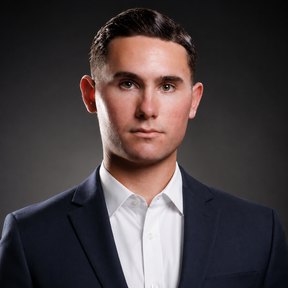
Ethan Chotiner
Ethan Chotiner Founder & President

Designed and built TreatPath — the planner, the patient experience, the behavioral model, and the security program behind them. Runs the company from San Diego.

Dr. David Chotiner, DDS
Dr. David Chotiner, DDS Co-inventor · Practicing Dentist

Practicing dentist at Coastal Dental Arts in San Diego. Every workflow in TreatPath was tested in his operatories first — by him, his front desk, and his treatment coordinators.

05 WHERE IT STANDS

In beta, in the chair, every day.

TreatPath is live in daily clinical use, patent pending, and operated by TreatPath Inc., a Delaware corporation. We publish our full security posture — every control, and how it works — because trust should be checkable.