Built in a dental office, one plan at a time.
TreatPath started at Coastal Dental Arts in San Diego, Dr. Chotiner's practice, and it set out to fix one moment in the appointment. It was built by a dentist and his son, with the people who use it.
How a father's practice and a son's software came together around one moment in the appointment.
Built by a dentist and his son.
I grew up around my dad's dental practice. Some nights he'd come home frustrated, and it was never really about the schedule. He'd spent time with a patient, found something they needed for their oral health, explained it, and watched them leave without booking. Usually there wasn't a real reason. They just didn't come back.
What stuck with me was how he talked about it. To him the job was helping people feel confident enough to smile. He knew most of those patients wanted that. So when someone walked out without a plan to fix their teeth, he wasn't thinking about the appointment that didn't get booked. He was thinking about the person who would keep feeling uncomfortable smiling in public, for a reason that didn't have to exist.
Years later he asked me if I thought I could build something to help. I'd heard about this problem at the dinner table my whole life, so I said yes and ran with it. He knew it from the chair. I knew it from the kitchen.
Ethan Chotiner · Co-founder
It started with a spreadsheet nobody signed.
Every dental practice has the same document: the treatment plan printout. A grid of procedure codes, clinical abbreviations and a total at the bottom. It's accurate and complete, and almost unreadable for the person whose mouth it describes. Patients react the way anyone reacts to a confusing document with a big number on it: "I'll think about it."
The dentistry and the diagnosis stay the same. We wanted to change the conversation: what if the same plan were laid out as a few clear options, in plain language, on a screen the patient can hold?
One diagnosis. Three ways forward.
Here is one made-up plan, first as a printout and then as three paths. Switch between them.
| Code | Description | Fee | Est ins | Pt |
|---|---|---|---|---|
| D0150 | COMP ORAL EVAL | 140 | 140 | 0 |
| D4341 | SRP 4+ TH UR | 550 | 440 | 110 |
| D4341 | SRP 4+ TH LL | 550 | 440 | 110 |
| D2391 | RES 1S POST #19 | 285 | 228 | 57 |
| D2740 | CRN PORC/CER #3 | 1,289 | 645 | 644 |
| LAB | LAB FEE #3 | 280 | 0 | 280 |
| D4910 | PERIO MAINT ×2 | 886 | 107 | 779 |
| D6010 | IMPL ENDOST #30 | 2,400 | 0 | 2,400 |
| D6058 | ABUT CRN PORC #30 | 480 | 0 | 480 |
| D9944 | OCCL GUARD HARD | 260 | 0 | 260 |
| TOTAL | 7,120 | 2,000 | 5,120 |
ANNUAL MAX $2,000 APPLIED IN SEQ. EST ONLY. NOT A GUARANTEE OF BENEFITS.
Urgent Care
Only what can't wait. A patient who can only say yes to this still says yes to something.
Proactive Care
Everything in Urgent Care, plus the work that keeps small problems from turning into big ones.
Complete Care
Everything in the diagnosis, taken care of. Laid out clearly enough that a patient who wants it can say yes without feeling upsold.
A fictitious plan with sample insurance. Every figure is made up. The paths come from your diagnosis. TreatPath sorts and explains it, and never decides what a patient needs.
Built chairside, with the whole team.
We didn't design TreatPath in mockups and hand it to a practice. We built it inside one, with the people who handle a treatment plan on its way to the patient. That includes the dentist, and just as much the front-office staff who build and send plans between phone calls and the treatment coordinators who sit with patients while they decide.
A lot of features came straight from them. The front desk asked for capture from screen, because nobody should retype what the practice software already knows. Treatment coordinators kept translating between two layouts, so now staff review the plan in the same three-path layout the patient sees.
Our rule: if a feature needs a training manual, we rebuild the feature. Staff at our founding practice learn TreatPath between patients, and every release has to pass that test.
One rule has never changed: TreatPath explains the plan. It never decides the treatment.
The paths come from the dentist's own diagnosis. The software has no opinion about what treatment a patient needs, and nothing in it pushes patients toward bigger cases.
Who we are.
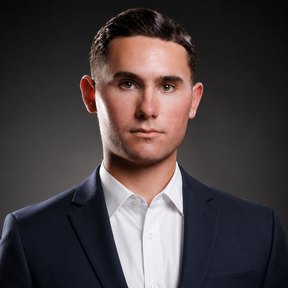
Ethan Chotiner
Co-founder & PresidentDesigned and built TreatPath: the planner, the patient view, the behavioral styles and the security program behind them. Runs the company from San Diego.
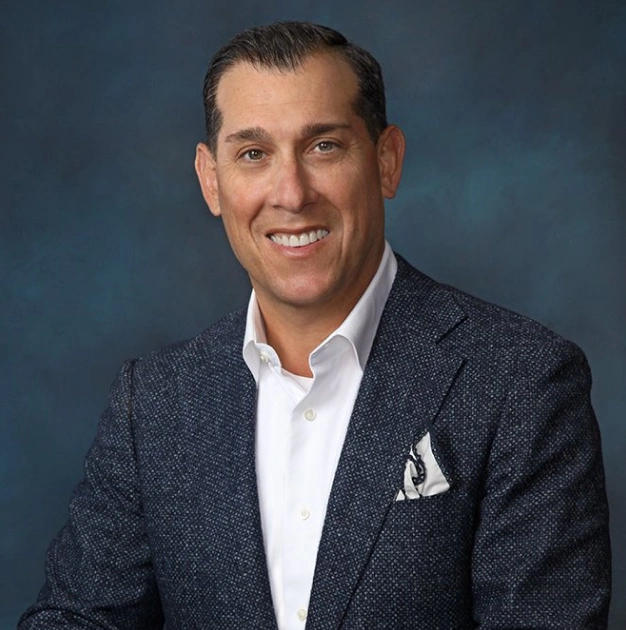
Dr. David Chotiner, DMD
Co-founder · Practicing DentistPracticing dentist at Coastal Dental Arts in San Diego. Every workflow in TreatPath was tested in his operatories first, by him, his front desk and his treatment coordinators.
“The plan didn't change. The way we present it did — and patients finally ask questions instead of asking for time to think.”
Still building, in the chair, every day.
We still build it that way. Every version goes through Dr. Chotiner's operatories first, and he's the one who says when something won't work with a real patient in the chair. When a patient understands their options and picks one that works for them, they get the care they came in for.
TreatPath is live in daily clinical use, patent pending, and operated by TreatPath Inc., a Delaware corporation. We publish our security controls and how each one works, so you can check them yourself.
Every patient leaves with a path.
Then $299.99/month per office, or $199.99 per office for groups of 2–10. Nothing to install. Cancel anytime.
Start free trial →Book a demo